Robotics · Automatic Control · Autonomous Systems

Olaoluwa Demola Aladetola, Ph.D.

Researcher · University Lecturer · Robotics & Control

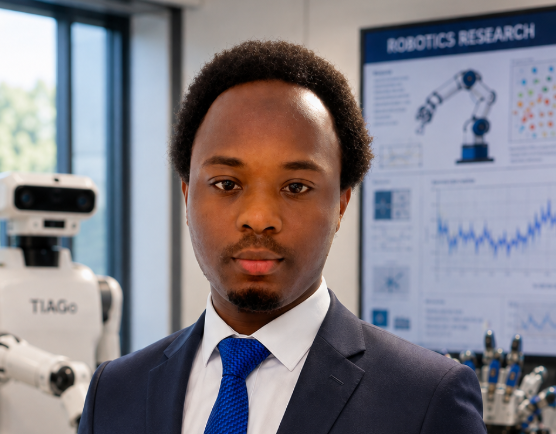
I develop intelligent robotic and electromechanical systems by combining nonlinear control, state estimation, optimization, simulation, and experimental validation. My current research priorities are robotic manipulation and multi-robot coordination, built on a doctoral foundation in sensorless electric drives for electric vehicles.

Olaoluwa Demola Aladetola
ADD PROFILE PHOTO
assets/images/profile/profile.png
Attaché Temporaire d'Enseignement et de Recherche (ATER) Nantes Université · French academic teaching and research position

Academic Introduction

A brief introduction to my academic background, teaching and research activities in automatic control and robotics, and my interest in scientific collaborations.

Presentation in French.

My work spans automatic control, robotics, and intelligent autonomous systems, integrating nonlinear control, state estimation, optimization, simulation, and experimental validation. My research extends from sensorless control of electrical drives to robotic manipulation, grasping, and multi-robot coordination, with the broader objective of developing reliable and intelligent solutions for complex robotic and electromechanical systems.

My Work in Robotics and Intelligent Systems

This two-part presentation provides an overview of the robotic platforms and experimental systems that form part of my research environment. It highlights my work in robotic manipulation, autonomous systems, control, and robot–environment interaction, from the presentation of different robotic platforms to the experimental execution of manipulation tasks on real robotic systems.

Part 1

Robotic Platforms and Research Environment

A presentation of the robotic platforms used in my research environment, highlighting mobile and manipulation robots and their roles in experimental robotics. The video introduces the laboratory systems and provides context for my work on robotic manipulation, autonomous operation, and robot–environment interaction.

Part 2

Robotic Manipulation and Experimental Control

A demonstration of an experimental robotic manipulation setup, showing the integration of software control, robotic motion, and object interaction. The video illustrates the practical implementation of manipulation tasks and the connection between control algorithms and real robotic execution.

Control foundations, robotics priorities

My research trajectory connects automatic control, state estimation, electric-machine drives, robotic manipulation, and cooperative autonomous systems. I completed a Ph.D. in Informatics and Automatic Control at Université de Lorraine, with research on sensorless control and torque-ripple reduction for synchronous reluctance machines in electric-vehicle applications.

At Sorbonne Université's Institut des Systèmes Intelligents et de Robotique (ISIR), ASIMOV team, my work expanded toward robotic manipulation, adaptive control, robot–environment interaction, and grasp-aware object placement. At Nantes Université, my research programme focuses on multi-robot coordination in shared spaces alongside university teaching.
Current and foundational expertise

Current research

Multi-robot coordination

Coordination and safe operation of multiple robots in shared environments, cooperative decision-making, autonomous systems, and distributed control.

Doctoral foundation

Control, estimation and electric drives

Robust and nonlinear control, EKF and sliding-mode observers, sensorless drives, SynRM control, torque-ripple reduction, and electric mobility.

From stable placement to grasp-aware placement

The Robot-Independent Geometric Manipulation Proxy (RGMP) extends Quality-Diversity robotic placement toward manipulation readiness by ranking mechanically stable placements using a Grasp Friendliness Index (GFI).

  • Height, workspace-centrality, and uprightness components
  • Six YCB benchmark objects
  • CMA-MAE Quality-Diversity optimization and PyBullet simulation
  • Top-10 GFI-ranked placements with exported 6-DoF poses
  • TIAGo hardware validation with autonomous grasp execution
6YCB objects
2,091stable placements
3hardware object classes
6-DoFpose export
ADD TOP-10 RGMP VIDEO
rgmp_top10_simulation.mp4
Simulation

Top-10 RGMP/GFI Object Placements

Highest-ranked manipulation-friendly placements generated by the RGMP/GFI evaluation framework.

ADD MUG VIDEO
tiago_mug_grasp.mp4
Hardware validation

TIAGo Autonomous Grasping — Mug

Autonomous grasp execution from an exported high-GFI placement.

ADD BOWL VIDEO
tiago_bowl_grasp.mp4
Hardware validation

TIAGo Autonomous Grasping — Bowl

Validation on a geometrically different concave object.

ADD SPOON VIDEO
tiago_spoon_grasp.mp4
Hardware validation

TIAGo Autonomous Grasping — Spoon

Validation on a thin, elongated object using an RGMP-ranked placement.

Electric drives, control and state estimation

Ph.D. research

Intelligent control of synchronous reluctance drives for electric vehicles

Research on sensorless control, state estimation, robust and nonlinear control, field-oriented control, MTPA operation, and torque-ripple minimization for synchronous reluctance machines in electric-vehicle propulsion.

The work combines mathematical modelling, advanced nonlinear control architectures, simulation, and experimental validation for high-performance electric-drive systems.

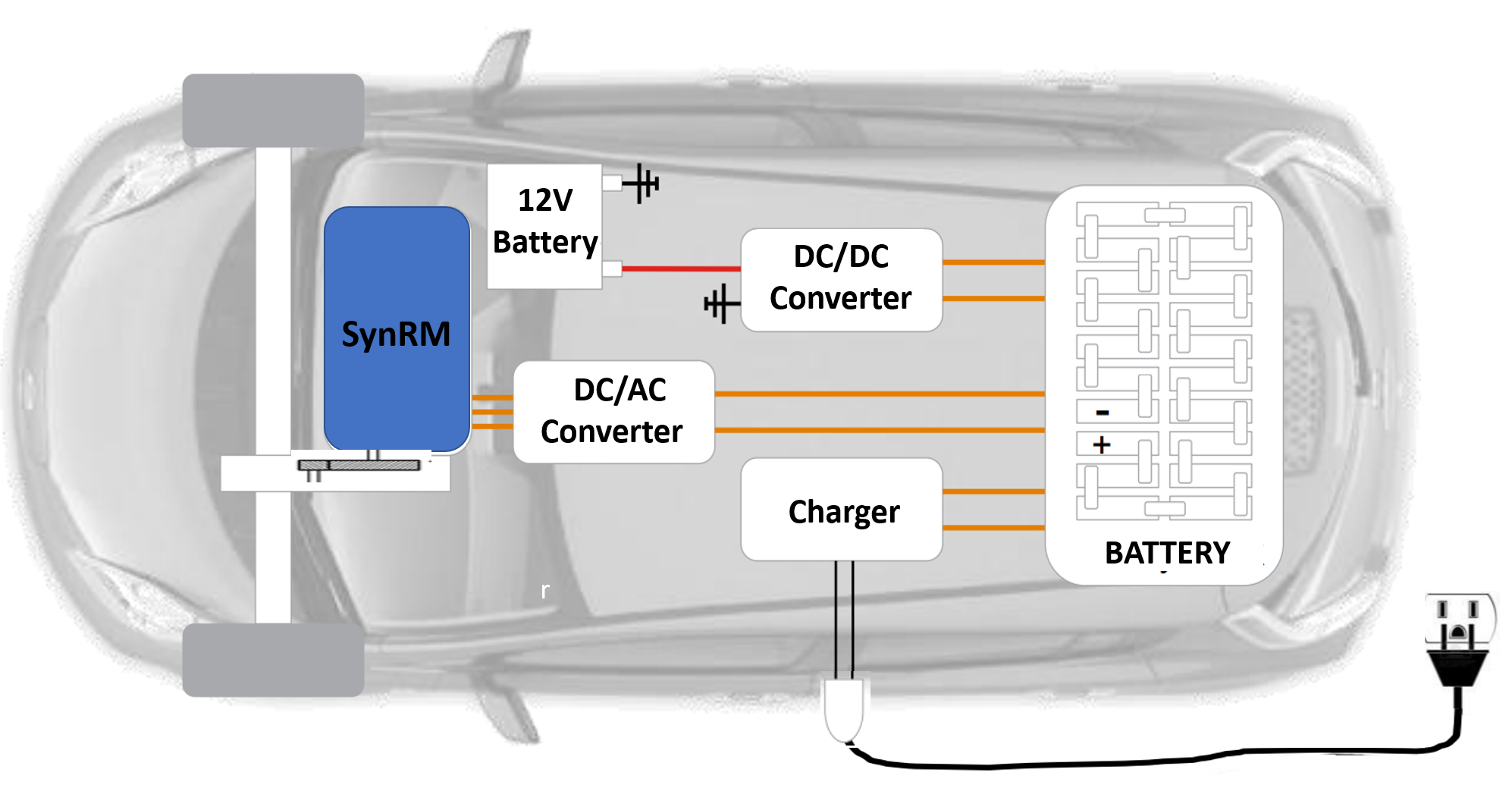
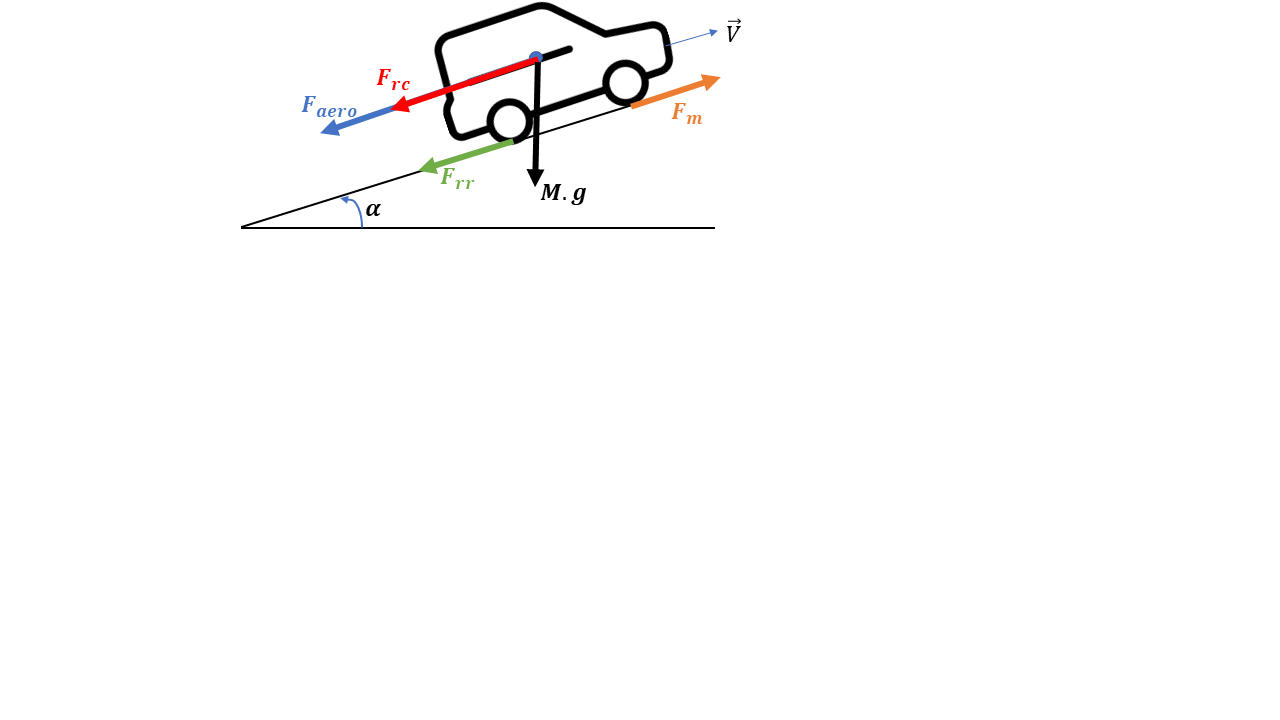
Electric vehicle mathematical model

Electric Vehicle Mathematical Model

Mathematical representation of the electric-vehicle propulsion system considered in the doctoral research.

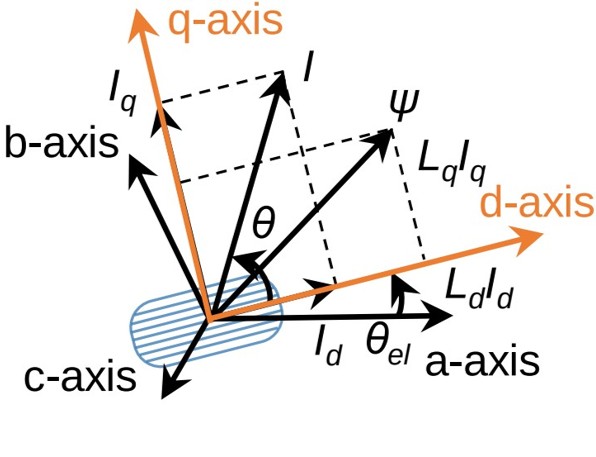
D-Q axis mathematical model of synchronous reluctance machine

d-q Axis Mathematical Model

Dynamic representation of the synchronous reluctance machine in the rotating d-q reference frame.

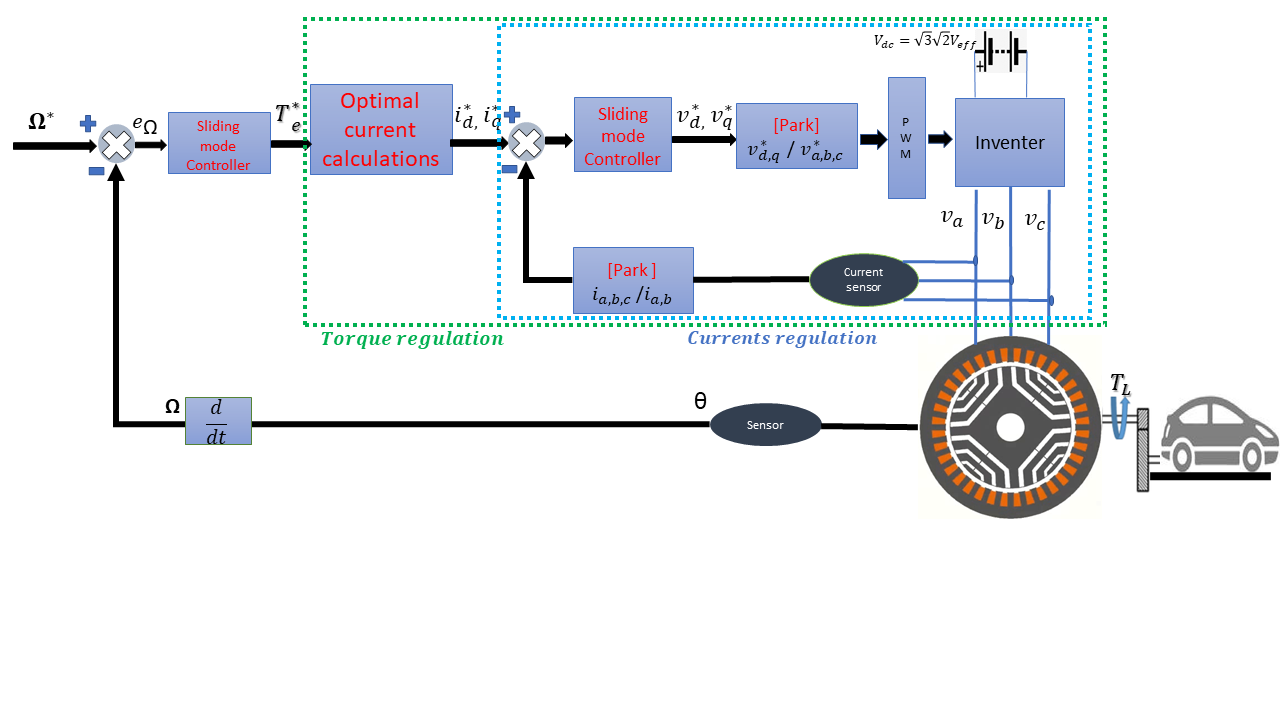
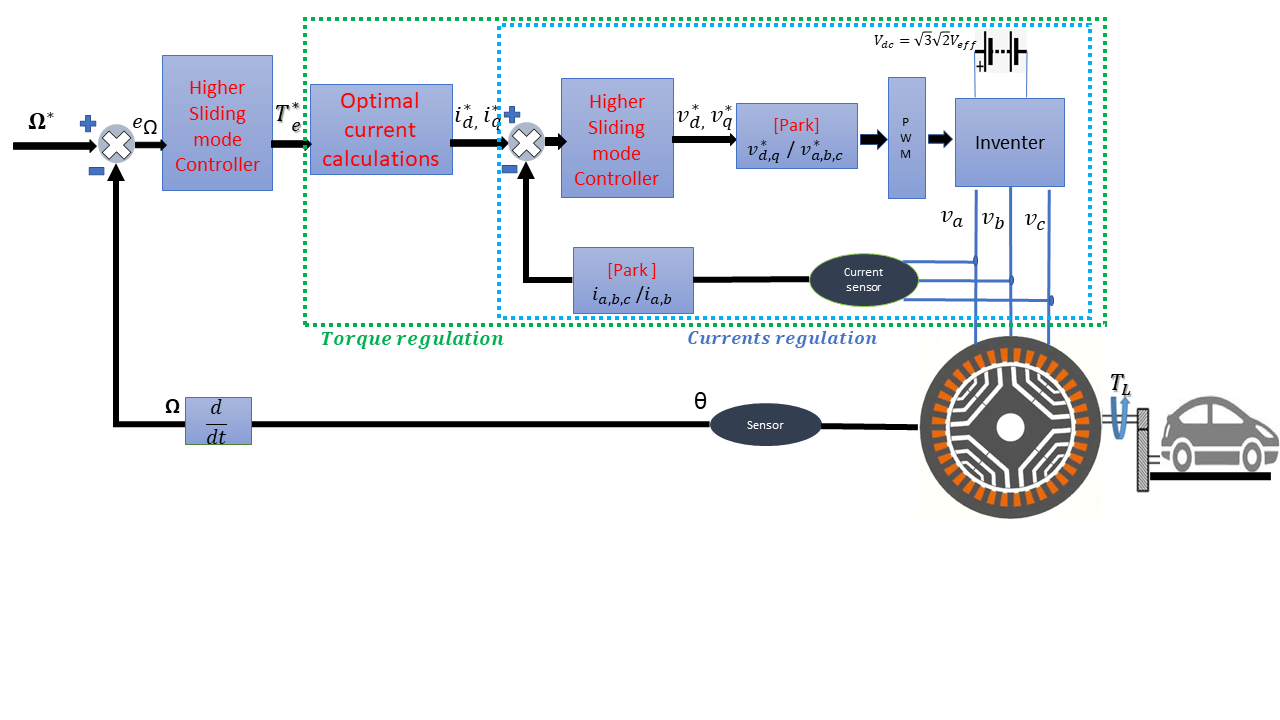
Sliding-mode control architecture

Sliding-Mode Control Architecture

Robust nonlinear control architecture developed for high-performance synchronous reluctance motor control.

Super-twisting algorithm control architecture

Super-Twisting Algorithm Architecture

Higher-order sliding-mode control structure designed to improve robustness while reducing chattering effects.

Speed response

Speed Tracking Performance

Reference-speed tracking performance under changing operating conditions.

View result (PDF) →
Current control

q-axis Current Tracking

q-axis current response and reference tracking across the evaluated drive operating conditions.

View result (PDF) →
Current control

d-axis Current Tracking

d-axis current response and reference tracking performance.

View result (PDF) →
Torque control

Electromagnetic Torque Response

Torque tracking performance and torque-ripple behaviour under varying operating conditions.

View result (PDF) →

Research outputs

Manuscript under review · Robotics

From Stable Placement to Grasp-Aware Placement: A Robot-Independent Geometric Manipulation Proxy for Quality-Diversity Robotic Placement

O. D. Aladetola, Q. Armand, F. Ben Amar, and S. Doncieux.

View project repository →
Doctoral research publication

Advanced Torque Ripple Minimization of Synchronous Reluctance Machine for Electric Vehicle Application

Research on advanced torque-ripple minimization for synchronous reluctance machines in electric-vehicle drive applications.

View publication →
Doctoral research publication

Torque Ripple Minimization Scheme of Synchronous Reluctance Machine for Electric Vehicle

Investigation of torque-ripple reduction strategies for synchronous reluctance motor drives intended for electric-vehicle propulsion systems.

View publication →
Doctoral research publication

Sensorless Control and Torque Ripple Reduction of a Synchronous Reluctance Machine for Electrical Vehicle

Research combining sensorless control, state estimation, and torque-ripple reduction for synchronous reluctance electric-drive systems.

View publication →

From fundamentals to experimental robotics

Robotics

Manipulator kinematics, Jacobians, position/force control, ROS2 implementation, and simulation laboratories.

Automatic control

Continuous and discrete control, frequency-domain methods, dynamic-system modelling, and controller design.

Programming and signals

Python, C++, object-oriented programming, numerical implementation, digital and random signal processing.

Academic Career

September 2026
– Present

Attaché Temporaire d'Enseignement et de Recherche (ATER)

Nantes Université · Teaching and Research Faculty

Research on multi-robot coordination in shared spaces and intelligent robotic coordination, alongside university teaching.

September 2025
– August 2026

Attaché Temporaire d'Enseignement et de Recherche (ATER)

Sorbonne Université · Institut des Systèmes Intelligents et de Robotique (ISIR) · ASIMOV Team

Robotic manipulation, adaptive robotic control, robot–environment interaction, grasp-aware object placement, Quality-Diversity optimization, and teaching from undergraduate to Master's level.

2021 – 2024

Doctor of Philosophy (Ph.D.)

Université de Lorraine · LCOMS Laboratory · France

Sensorless control, nonlinear and robust control, state estimation, Extended Kalman Filtering, sliding-mode observers, synchronous reluctance machines, and electric-vehicle propulsion systems.

2013 – 2021

Lecturer

Federal Polytechnic Ilaro · Nigeria

Teaching and research in automatic control, robotics, programming, instrumentation, PLC systems, embedded systems, digital signal processing, and engineering education.

University Email olaoluwa-demola.aladetola@sorbonne-universite.fr Personal Email ollyboi999@yahoo.com Phone +33 7 49 39 41 77 GitHub github.com/aladetola1/Aladetola Academic CV Download my CV